
Plenty of well meaning individuals have tried to read through the Bible by starting at Genesis 1 and going straight through. These attempts often correspond to New Year’s Resolutions, you know “new year, new you” kind of turning over new leaves. Many times, I can’t say always, but more often than not that person gets through Genesis and Exodus because those books are narrative. That’s the kind of story we are used to reading; there are characters and a plot. Sometime in the middle of February, about halfway through the book of Leviticus, plans to read through the Bible this year and this time I mean it fall by the wayside. Hopefully your Bible doesn’t get pushed up against the wall and covered with laundry like that new treadmill you bought – I mean, somebody bought – after Christmas.
What I like to do is switch back and forth between the Old and New Testaments. I prefer that to the Bible reading plans that have an Old and New Testament selection each day. So the Read the Bible podcast does the same thing. After reading Genesis and Exodus, we jumped into the New Testament and read Matthew’s Gospel. At the rate we’re going it would have taken over two years to get to any New Testament books. I have to admit that I was somewhat apologetic about going back to Leviticus. I approached it as something we have to get through and said things like “Let’s just get it done” and “we’re all in this together.” If you have been listening to the podcast (aka the Read the Bible series here on the blog) you already know that I have been finding ways to share the gospel from the book of Leviticus. I preached a sermon on it Sunday morning at Unity Baptist.
From one end to the other the Bible tells one story, about how a holy God deals with people that are fallen, sinful and broken. At the center of that story is Jesus. That has been my approach to Bible study for the past 15 years or more. All scripture, including the Old Testament and including the Law books, are good gifts from God meant for his people. At the same time, New Testament Christian believers know that some scriptures are more useful than others. Leviticus is not just God’s laws, it is specifically meant for the priesthood, Aaron and his sons. I’ve compared it to the shop manual as opposed to the owner’s manual that comes with you car. And yet… it is God’s word and his word is good.
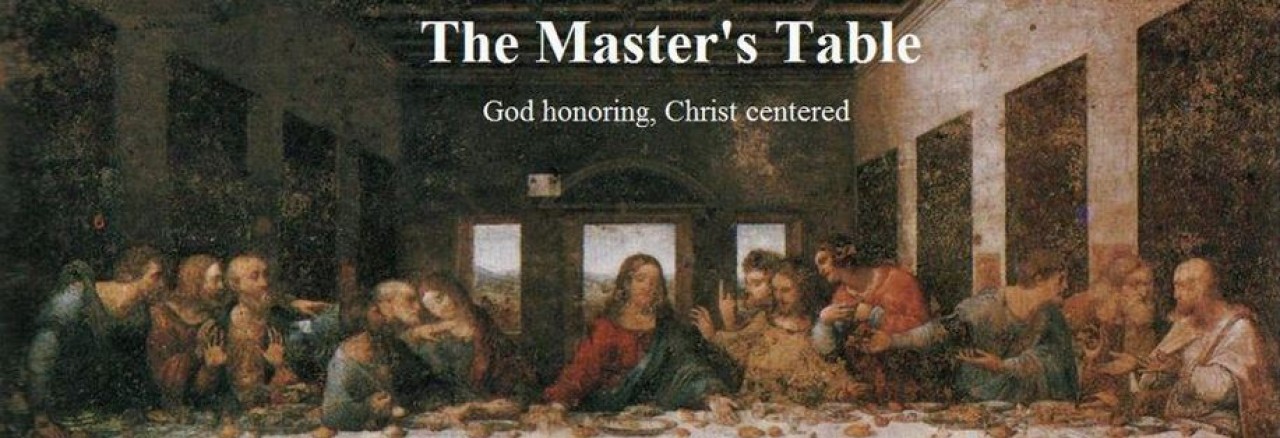
In addition to all the imagery of the altar, the animal sacrifice, the shed blood, the high priest, the veil of separation and the blood of atonement sprinkled on the Mercy Seat, Leviticus 19:18 says in part “…you shall love your neighbor as yourself.” When asked about the greatest commandment Jesus first quoted from Deuteronomy (Love the LORD you God with all your heart, soul mind and strength) and then said a second command is like it, quoting from Leviticus 19. What we just read this morning from chapter 23 is a review list of the Holy Days and feasts. The Last Supper and institution of the Lord’s Supper make a lot more sense if you understand that Jesus and his disciples were in Jerusalem for the Passover. There is a reason Pentecost is 50 days after Easter and we connect the dots by reading Leviticus 23, among other chapters in Exodus and Leviticus.
Alistair Begg says It takes the whole Bible to make a whole Christian. If you have never read the whole Bible I want to encourage you to make an honest effort. It doesn’t have to be a straight shot from Genesis to Revelation, it doesn’t have to be in one year. Hey, if join us for the podcast and I will read it to you.
 The Master's Table