Academic Discussion: Predestination

TULIPWe started the Academic Discussion series last Friday, and since then have examined issues like the age of the earth and the rapture. Up until now I have played the devil’s advocate so to speak and approached the arguments from both sides. This difference with this topic, predestination as defined by 5 point Calvinism, is that I take a position and feel very strongly about it. Although I have had a few heated discussions, I still believe the issue is ultimately academic.

This page at Calvinist Corner provides an excellent summation of Calvinism at a glance. Arminianism is generally considered to be the opposing view. A more extreme opposing viewpoint would be Pelagianism (which denies original sin and a host of biblical tenants). The reason I consider this argument to be purely academic is that each of these positions considers the nature of God’s salvation. At the heart of the debate is our understanding, or rather defining, of predestination. Did we choose God or did he choose us? Do we have the ability to choose God, or are we in our nature so depraved it is not a choice we could ever make? And why would I even stir this particular pot? Continue reading →

Academic Discussion: The Rapture of the Church

rapture Let’s begin with a note on prophesy. There’s an old saying that hind sight is always 20/20. As we happen to be entering the season of Advent, this is the time of year we look back at the Old Testament prophesies of Messiah. As we are reminded each year that God’s prophesies were fulfilled in the life, death and resurrection of Christ, our faith is affirmed that God is always faithful to keep his promises. Looking back at prophesies fulfilled gives our faith substance that God will continue to honor his Word.

Having said that, I take a rather pragmatic view of prophesied events, particular in relation to the end times. Continue reading →

Happy Monday

Black Friday is likeHappy Monday truckHere’s what I’m thinking: we all need Happy Monday more than usual this week. Maybe the turkey wasn’t the only thing stuffed Thursday afternoon, and then some of us didn’t even wait ’till Friday for Black Friday. Maybe you had a marathon decorating session after driving and or flying thousands of miles. If you have been off work for the past 5 days or more, this morning is more Monday than usual. So pour another cup of Joe while I back in the Happy Monday truck.  *beep beep beep* Continue reading →

Advent

advent-wreathThe advent of anything refers to its first appearing. The season of Advent is a time of preparation, waiting for the arrival of Christmas. We celebrate the waiting (perhaps honor is a better word) by examining the Old Testament prophesies, and considering the lessons the shepherds and wise men and teach us still. Lighting the candles of the Advent wreath is a far more time honored tradition than waiting in line for Black Friday deals on Sony’s PS4. Continue reading →

Academic Discussion: Young Earth Debate

earthWe started our academic discussion series by defining terms. One of my favorite sayings is “Don’t make the Bible say something it doesn’t say.” I enjoy a hearty discussion and even a little bit of friendly debate as much as the next guy, but we must be careful to build up not tear down other believers. There are many things that we simply cannot know. There are mysteries that will only be revealed to us when we come into God’s Kingdom. The ancient Greeks were occupied with continuous discussion and debate, but Paul encourages us to keep our eyes on the prize so to speak, focusing on what is of most importance.

In the 17th century an Irish bishop named James Ussher worked out a chronology of biblical events, based on male lines of lineage presented in scripture. His work is the basis of many young earth creationists, which it might be noted, was his particular bias when he started the started task. Continue reading →

Academic Discussion

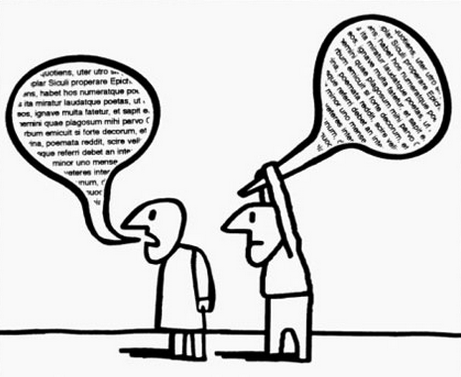
word weapons An academic discussion is a theoretical consideration of an issue. Perhaps it’s a debate of values. In the end, the discussion is academic if it takes place in rhetoric and there can be no practical application.

There are debates going on among Christians that I consider to be purely academic. There are many undeniable truths presented in scripture. There are also, however, statements made in scripture that are subject to interpretation. Continue reading →

Happy Monday

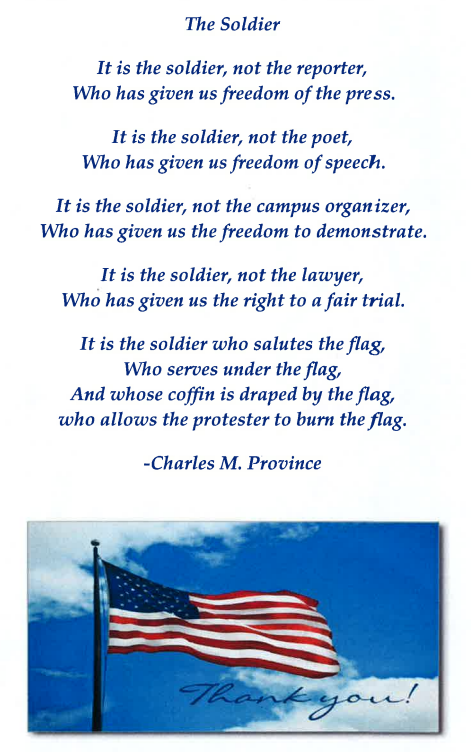
First of all, Happy Veterans Day. 

The Soldier.

Despite the holiday, it’s still gonna be Monday. So here’s your weekly dose of inspiration and smiles. Have a Happy Monday! 

Continue reading →

Elvis Presley, King of… Gospel?

Our minister of music sang Who Am I during this morning’s service (the Elvis Presley one, not to be confused with a Casting Crown song of the same title). Elvis was known in the 50’s as the King of Rock and Roll and later in his career simply as “the King.” But despite all of his success in music and movies, all three of his Grammy awards were for Gospel music. He sang Peace in the Valley on one of his historic appearances on the Ed Sullivan Show. Back in the day everyone from Andy Griffith to Dolly Parton also recorded Gospel music. Pat Boone, Willie Nelson and Johnny Cash all have Gospel albums.

Try to Imagine Justin Beiber or Miley Cyrus adding a Gospel tract to their next album.

Believing is Seeing

Screenshot 2013-11-04 at 7.40.27 PMAnd as Jesus passed on from there, two blind men followed him, crying aloud, “Have mercy on us, Son of David.” When he entered the house, the blind men came to him, and Jesus said to them, “Do you believe that I am able to do this?” They said to him, “Yes, Lord.” Then he touched their eyes, saying, “According to your faith be it done to you.” And their eyes were opened. And Jesus sternly warned them,“See that no one knows about it.” But they went away and spread his fame through all that district. (Matthew 9:27-31, ESV)

Seeing is believing refers to the undeniability of events witnessed first hand. In other words, we believe because we see. The two blind men professed their belief that Jesus could heal them, and his response was “According to your faith be it done to you.” Their healing was based on their faith. Thus these men could see because they believed.

Today we walk by faith not by sight (2 Cor. 5:7). Someday our faith will be our sight. Oft quoted Hebrews 11:1 describes faith as “the evidence of things not yet seen.” Without faith those things will never be seen. So for us, like the two blind men, believing will be seeing.