How many people will sit in churches on Easter Sunday and listen to a good sermon about the crucifixion of Jesus? Don’t get me wrong; if you’ve read my previous posts, it’s certainly a good thing to hear the crucifixion being preached in the pulpit of any church. Not every church in America has that anymore, Easter Sunday or otherwise. But most every Christian that celebrates Easter is also familar with Palm Sunday. Nearly as many know about Good Friday. This entire week between Palm Sunday and Easter is known in many traditions as Holy Week, but it is not celebrated by as many Christian worshipers as it once was.
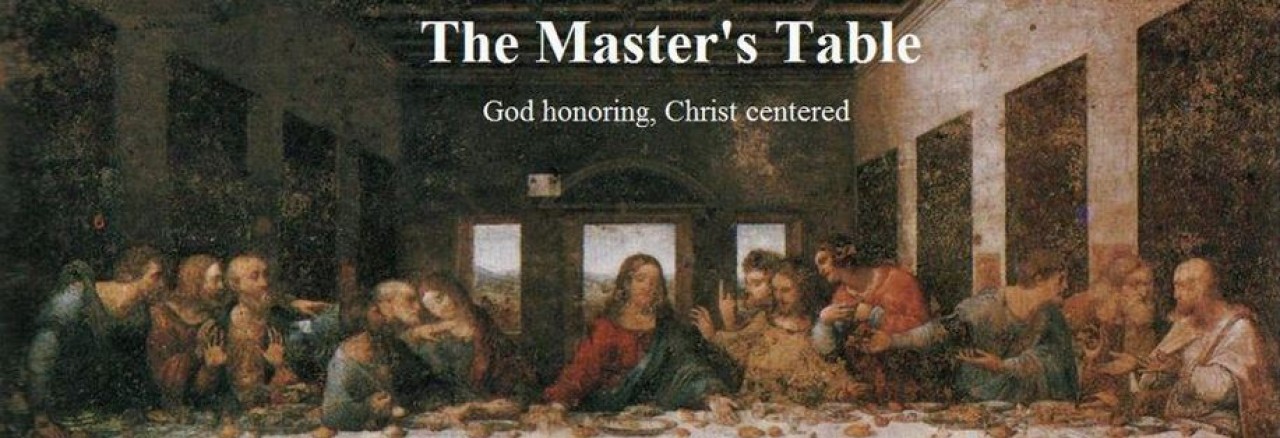
Palm Sunday reenacts the triumpful entry, the day Jesus rode into Jeruselum to shouts of “Hosanna,” or in effect “Hallelujah!” Many were expecting him to proclaim himself Messiah, take the throne, and begin his reign as the king of the Jews. By the end of the week, many of those same Jews who cried Hosanna would cry out “Crucify him” before Pontius Pilate. On the Christian calendar, each day of this week has a title and special significance. It was during this week that Jesus shared what we now know as the last supper with his disciples. He took the Passover meal, the rememberance of how the sacrifice lamb saved the Hebrews while in Egypt from God’s judgement, and gave it new meaning. He told his followers to still break the bread and take the cup, but to do it in rememberance of him. This was the week that he washed the disciples feet as a lesson of humility and servanthood. And in the Garden of Geseminee he was betrayed by Judas Iscariot. He was tried falsely by Pilate, and crucified on what we know as Good Friday. All of these events before Easter Sunday, though leading up to that climax.
See, what I’m saying is that Easter isn’t about the crucifixion of Jesus. Easter celebrates the resurrection of Jesus from the dead. Holy Week is the time to remember his last supper, lessons in the vineyard, final words to his followers, and the events of his death and burial. Saturday is the time to be sad; it seems evil has triumphed, Death has been victorious, the disciples are scattered, and Mary is mourning the death of her son. On Sunday, it all changes. The captive of Death is set free, Jesus rises in newness of life, and hope is given that as Jesus is raised so shall those of us who die in Christ be raised. Easter celebrates the resurrecting power of God, who made all things in the universe which obey Him. Easter Sunday is about hope, life, redemption, reward, and in short all things being made new. Many others before and after Jesus claimed to be the Messiah, but he is the only one sitting at the right hand of God who ever lives to make intercession.
I know why it happens. Many marginal Christian believers will come to church that day who will not be back until either Christmas or perhaps next Easter. The pressure is on to get the Gospel out while the chance is there. But the rest of us need to remember that Easter is not about the end of life, but the beginning of resurrected life. It is the time to celebrate, and it’s why we meet on Sunday and not the Old Testament Sabbath. Be gloomy on Saturday, but don’t forget that joy comes in the morning. (And if you know about sunrise service, joy comes very early in the morning.)
 UPDATE: this entry is from 2009. A newer post, with much more information, is this one from 2010.
 The Master's Table